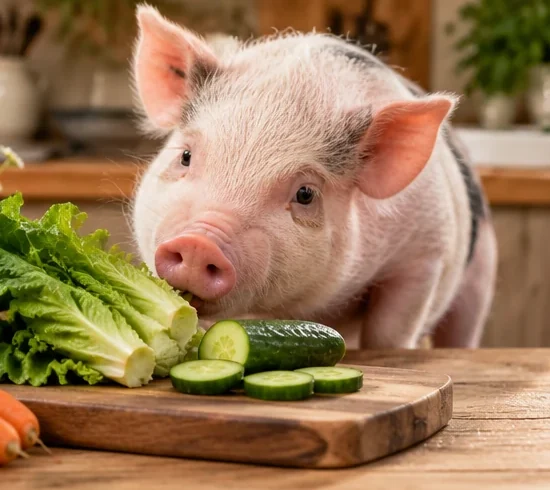
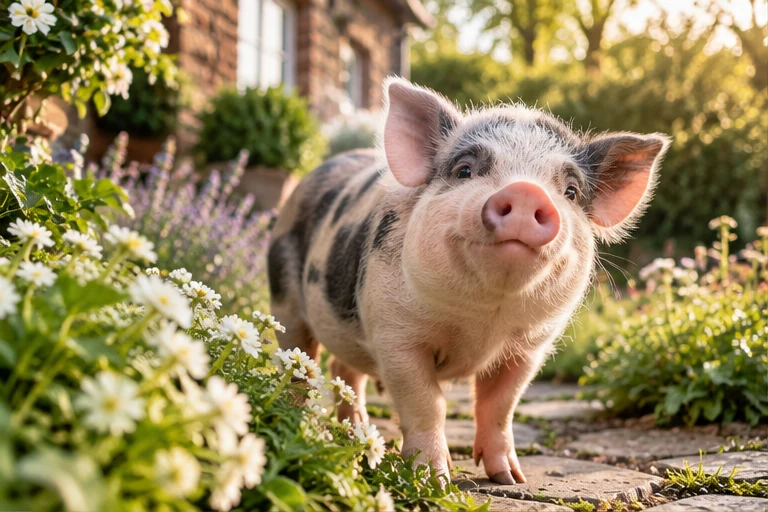
A home made for curiosity.
A pig-friendly environment is about safety, choice, comfort and space to explore.
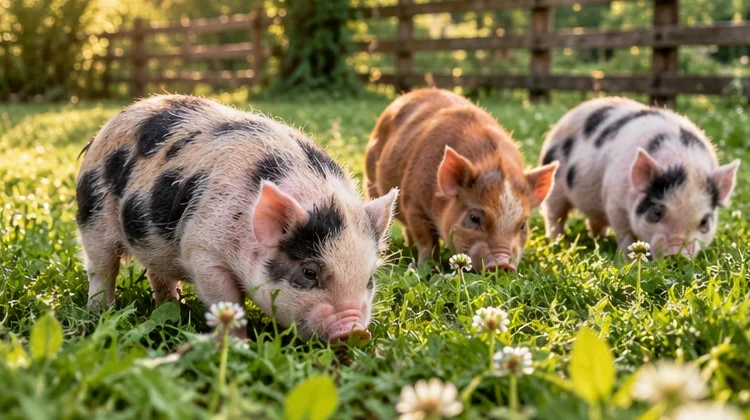
Start with the pig, not the room
A safe home is one that suits your pig's size, habits and curiosity. Before changing the furniture, observe where your pig prefers to rest, what catches its attention and how confidently it moves across different floor surfaces. A spacious room with slippery floors can feel less comfortable than a smaller space with reliable traction and access to enrichment.
The five-minute home audit
Walk through the area at pig-nose height. Can a snout reach cables, cleaning products, loose objects or food cupboards? Will a closing door trap an animal on the wrong side? Are there gaps beneath fences or behind appliances? Keep tempting hazards secured and create clear walking routes.
Give your pig a familiar sleeping area away from noise and foot traffic. Offer a safe place to root, such as a supervised box with suitable materials. Rooting is not a failure of house training; it is a natural behaviour that deserves an appropriate place.
Design an outdoor invitation
A secure outdoor area can provide exercise, fresh air and a changing sensory landscape. Prioritise dependable fencing, shaded rest, drinking water and a safe ground surface. Avoid access to garden chemicals and inspect new plants before allowing a pig to investigate them. Do not assume a dog-friendly yard is automatically pig-safe.
Make routines visible
Animals benefit from predictability. Consider a simple daily pattern: morning water and welfare check, measured breakfast, enrichment and exploration, rest, more activity and an evening check. The exact times matter less than consistency and how they suit your pig.
Keep a contact card for a pig-experienced veterinarian and a transport plan where your household can find them. Thinking ahead is kinder than improvising under pressure.
Five beginner mistakes to avoid
- Expecting a piglet to stay the same size.
- Treating rooting as disobedience instead of a natural need.
- Relying on treats instead of a balanced diet and enrichment.
- Leaving pigs and dogs alone together without careful management.
- Waiting until an emergency to locate experienced veterinary care.
A good home is not defined by the number of toys or the price of the furniture. It is defined by safety, opportunities for normal behaviour, appropriate care and a commitment that lasts beyond the novelty of a piglet.
Keep exploring the MiniPigus guide.
There is always one more good question to ask.
LEARN A LITTLE MORE