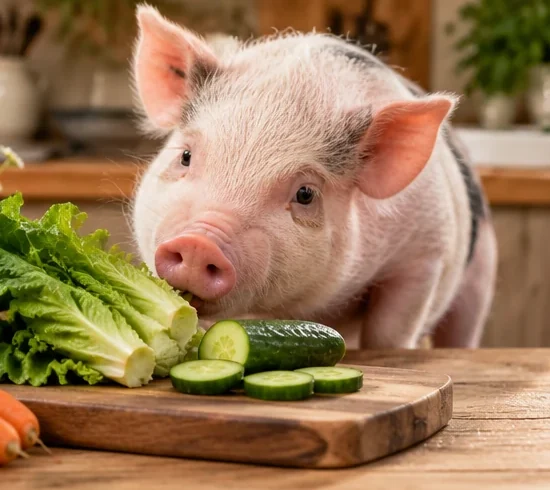
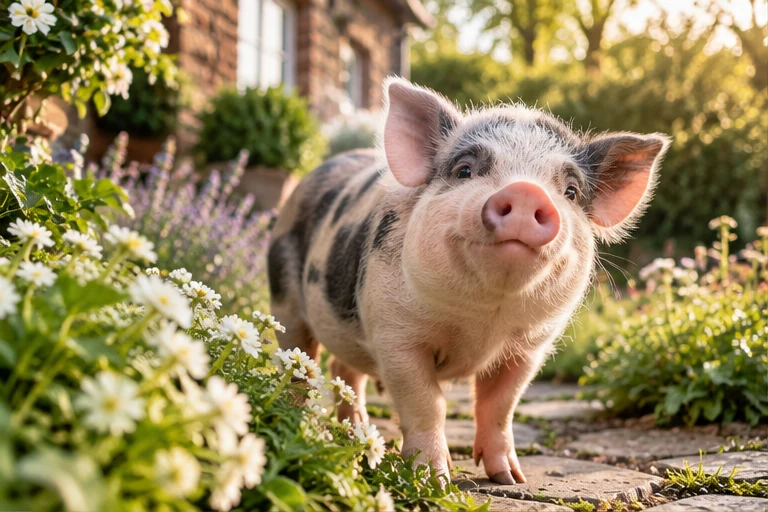
Little routines, loving care.
From cozy places to snooze to all-important snout adventures, small daily choices make a happier home.
YOUR DAILY ROUTINE
Little things, every day.
Tick off your routine. Your choices stay in this browser.
A calm day starts with a routine
Mini pigs usually do best with a predictable rhythm. Meals, opportunities to explore, rest and gentle interaction should happen at broadly familiar times. Structure reduces surprises and makes it easier to notice changes in appetite or behaviour. A consistent routine does not mean keeping a pig busy every moment: quiet downtime is important too.
Start each morning by checking that fresh water is available and that your pig is moving and behaving normally. Give the living area a quick safety inspection. Look for loose wires, accessible cleaning products, sharp items and doors that could open. If your pig uses an indoor toilet area, clean it regularly and keep it away from food and bedding.
Make your home pig-friendly
A comfortable home has grippy flooring, enough turning space and a quiet place to sleep. Slippery floors make movement difficult, especially as pigs age. Offer blankets or appropriate bedding that can be kept clean, but monitor your pig if it chews or swallows fabrics. Cabinets and food stores should be secured with reliable childproof hardware—not simply closed.
Outside, provide sturdy fencing, shade, drinking water and a safe patch for digging and rooting. Inspect the area for toxic products, sharp objects and plants of concern. Outdoor access is valuable, but it does not replace companionship or supervision. Hot conditions can be hazardous because pigs regulate their body temperature differently from people.
Enrichment is everyday care
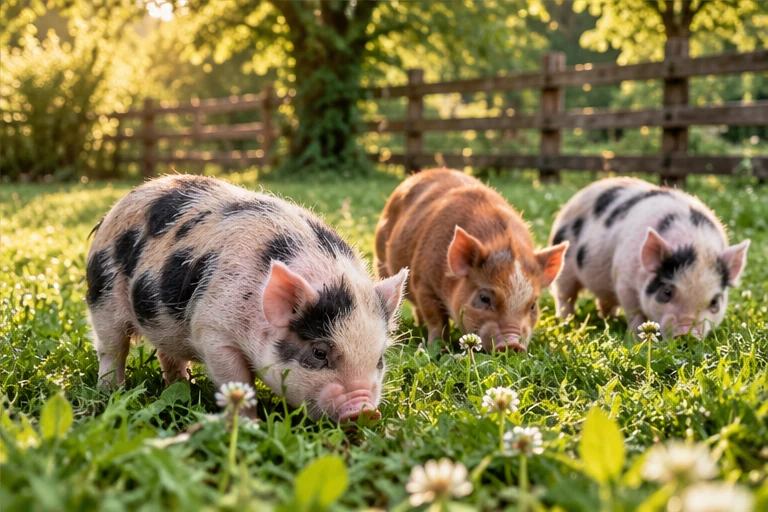
Rooting is not a problem to eliminate; it is a natural need to channel. Try a box filled with safe, appropriate materials, a treat-dispensing toy designed for pigs, or a supervised scatter-feed activity. Rotate activities rather than leaving every toy available all the time. New experiences should be introduced gradually, so curiosity has room to replace worry.
Short, positive training sessions are another form of enrichment. Reward calm investigation, approaching on cue and allowing gentle handling. Stop before your pig becomes frustrated. A few successful minutes are better than a lengthy session that ends in conflict.
Grooming, hooves and skin
Pet pigs benefit from gentle grooming and observation. Learn what your pig’s normal skin, gait and hoof shape look like, so changes stand out. Hooves grow throughout life and may need trimming by a qualified professional. The schedule varies with the individual pig and its activity. Never force a frightened pig into a risky trimming session.
Excessive itching, painful-looking skin, trouble walking or sudden reluctance to move merit veterinary advice. Routine veterinary visits are also an opportunity to review dental health, weight and preventive care. Avoid applying medicated products or supplements based solely on advice from social media.
A sample weekly rhythm
| When | Small, useful habit |
|---|---|
| Every day | Refresh water, inspect the space, offer enrichment and observe appetite |
| Several times a week | Rotate enrichment activities and check outdoor hazards |
| Weekly | Wash washable bedding, deep-clean the feeding area and review supplies |
| As advised by a veterinarian | Review hoof care, preventive medicine and body condition |
Watch for changes, not perfection
A pig may be more playful one day and more restful the next. What matters is a meaningful departure from their normal pattern. Reduced eating, weakness, persistent straining, breathing difficulty or inability to rise are reasons to seek prompt veterinary guidance.
Use the interactive checklist on this page as a gentle planning aid, not as a substitute for individual care instructions. Your pig’s veterinarian should always have the final say when health and welfare are involved.
Keep exploring the MiniPigus guide.
There is always one more good question to ask.
LEARN A LITTLE MORE