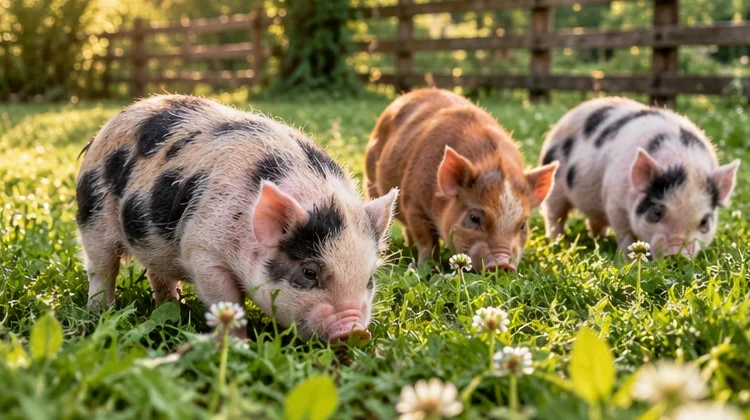
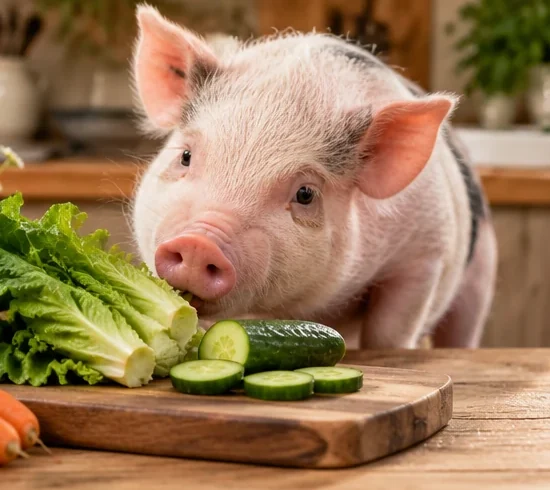
Meet the mini pig.
A curious little animal with a very big personality. Get to know the truth about miniature pigs before welcoming one home.
What does “mini pig” really mean?
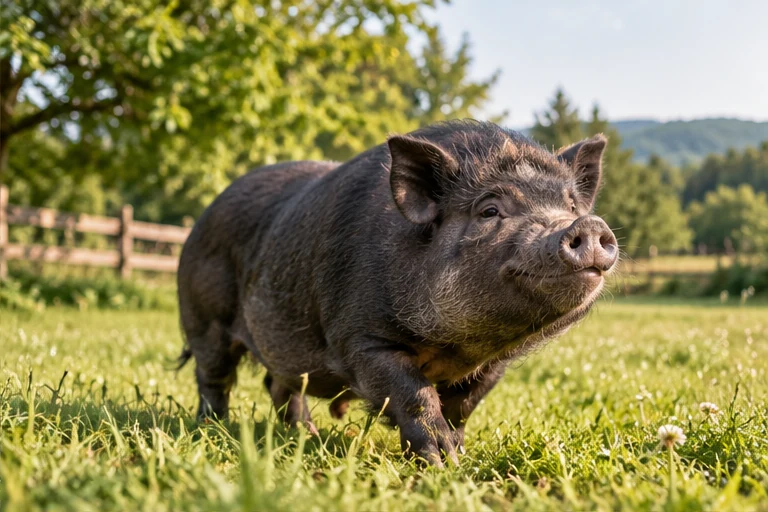
“Mini pig” is a common description for a group of smaller domestic pigs, not a guarantee that an animal will stay piglet-sized. You may also hear pot-bellied pig, miniature pig, micro pig, or teacup pig. These names are often used inconsistently, especially in advertisements. What matters is the individual pig’s genetics, health and adult development—not an appealing label.
A young piglet can fit comfortably in someone’s arms and still mature into a substantial animal. Pigs continue developing long after their first birthday. If you are thinking about adoption, ask about the size and condition of fully grown relatives, and speak with a veterinarian familiar with pigs. Plan for an adult animal, never for the size of the baby you meet.
A kind reality check: a “mini” pig is small compared with a production hog, not necessarily small compared with a dog.
Meet their remarkable personalities
Mini pigs are observant, inquisitive and strongly motivated to explore. They learn routines, recognise familiar people and quickly notice how to open a poorly secured cupboard. Their excellent noses help them investigate the world by rooting—pushing and moving material with their snouts. That behaviour is normal and needs an acceptable outlet.
Some pigs enjoy close contact; others prefer to approach when they feel safe. Respecting their choices builds trust. A pig that is frightened, cornered or pushed into handling may squeal or try to escape. Predictable daily routines, quiet introductions and positive-reinforcement training are better foundations than forced cuddles.
Types and backgrounds
The Vietnamese pot-bellied pig is one familiar type, but pet pigs vary considerably in appearance. Coats may be pink, black, spotted or mixed; bodies can be compact or long, with different ear shapes and leg lengths. Breed labels alone are poor predictors of mature size, temperament or health needs.
The most useful questions to ask a rescue or responsible keeper are practical ones: How old is the pig? Has a pig-experienced veterinarian examined it? What diet is it eating? Does it tolerate hoof handling? How does it respond to other animals and unfamiliar people? Is appropriate outdoor space available?
Is a mini pig right for your home?
A suitable home involves considerably more than a comfortable sofa. Mini pigs need daily movement, enriched surroundings, a secure resting place and regular access to a safe rooting area. Floors should provide traction and outdoor boundaries must be strong enough to prevent escapes. Many areas also have local rules about keeping pigs, even when they are treated as pets.
Budget for an experienced veterinarian, hoof and dental care, suitable food, safe fencing, emergency transport and long-term support. Pigs can live for many years. Their care is a serious commitment that should survive moves, changing work schedules and the end of the piglet stage.
Before you bring one home
- Confirm that local regulations and housing rules allow pigs.
- Find a veterinarian with hands-on pet-pig experience before an emergency occurs.
- Arrange a safe sleeping area, non-slip surfaces and accessible outdoor enrichment.
- Understand mature size and the possibility of substantial long-term costs.
- Consider adoption through a reputable rescue rather than buying impulsively.
Myths, gently corrected
Myth: “Teacup pigs always stay tiny.” There is no reliable size guarantee in that phrase. Myth: “Pigs are naturally dirty.” Pigs typically separate their sleeping and elimination areas when space allows. Myth: “An indoor pig does not need to root.” Rooting is an important behaviour whether the pig lives indoors or outdoors.
Curiosity about these animals is wonderful. The best beginning, however, is realistic preparation and a willingness to accommodate a pig’s real needs.
Keep exploring the MiniPigus guide.
There is always one more good question to ask.
LEARN A LITTLE MORE